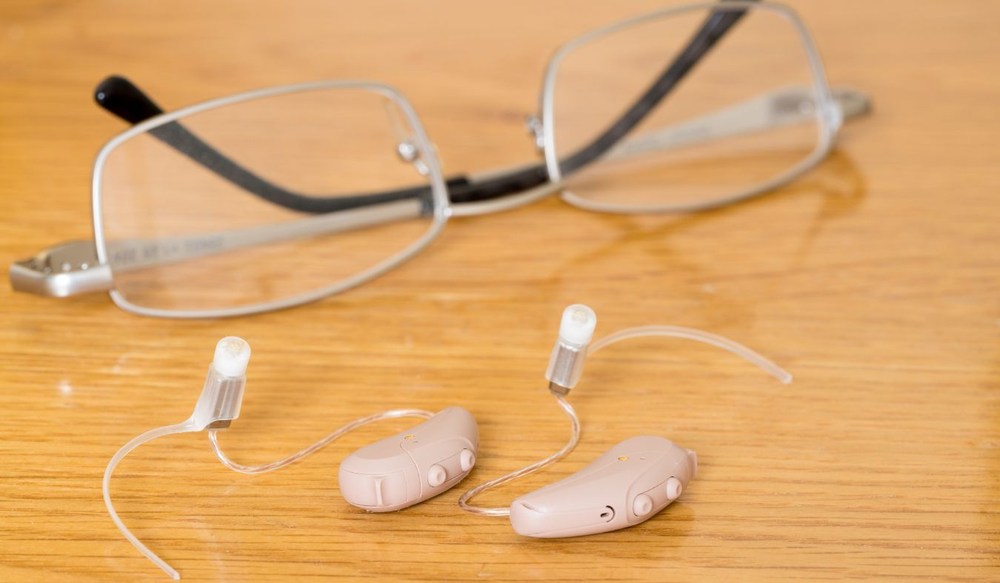
On the Gulf Coast, caring for hearing aids can become part of your usual morning and evening routine. You may keep the charger on your nightstand, store cleaning supplies in a drawer and use a dry kit for the humidity.

At home, you rarely have to search for any of it because you already know where everything is. Holiday travel changes that once those supplies must be packed and carried somewhere else.

A charger may get mixed in with phone cables, while cleaning supplies end up in a different bag. You may also remove your devices somewhere unfamiliar during a flight, long drive or overnight stay.

With your usual setup back home, keeping track of everything takes a little more thought. Before the suitcase comes out, it’s worth considering what your hearing aids will need while you’re away.

Why Extra Attention Helps Keep Hearing Aids Working During Travel

Travel changes your schedule, so hearing aid care may not happen at the same times it does at home. Meals, outings, family gatherings and travel plans can fill most of the day.

You may also wear them longer while visiting people or getting around an unfamiliar place. If something goes wrong, dealing with it away from home can be more complicated.

You also won’t have everything you normally keep nearby when you travel. Your usual supplies may be at home, and your hearing specialist may be far away.

Even a minor hearing aid problem can become frustrating when you’re trying to follow conversations or get through a busy travel day. Giving your devices some extra attention while you’re away can prevent a problem from disrupting your plans.

Common Situations That Can Put Hearing Aids at Risk While Traveling

Travel means handling them in places where you don’t normally use or store them. During a holiday trip, watch for situations like

    • Placing the devices on a hotel nightstand, bathroom counter or another unfamiliar surface.
    • Taking them out during a flight or long drive and putting them loose in a pocket or bag.
    • Leaving hearing aids or supplies inside a parked car during hot or cold weather.
    • Wearing them around pools, hot tubs, beaches or other areas where water is nearby.
    • Packing them next to toiletries or other items that could leak, spill or press against them.
    • Leaving them where children or pets can reach them while visiting family or friends.
    • Removing them at the end of a long travel day and setting them somewhere you may forget.

How to Share Your Needs with Travel Companions and Staff Members

You can also decide who will listen for gate changes, boarding calls or other updates in crowded areas. This keeps important travel information from depending on one person hearing every announcement.

You can be just as direct with airline, hotel or transportation staff. Tell them you have hearing loss and ask them to repeat instructions or speak where you can see their face.

For information like a gate number or departure time, ask for it in writing when needed. You don’t have to explain your hearing history to communicate what you need in that moment.

Going Through Airport Security with Hearing Aids

You can usually wear your devices while going through airport security, so there’s generally no reason to remove them beforehand. Keeping them in also means you can hear instructions from security officers while moving through the checkpoint.

If an officer asks about the devices, tell them you’re wearing hearing aids. You can also mention that you need them to hear during the screening.

Your hearing aid charger, remote control or other accessories may be packed in your carry-on with the rest of your electronics. Keep smaller pieces together so they don’t get separated while bags are opened or moved through screening.

Once you collect your belongings, take a moment to make sure your hearing aid supplies are still in your bag. This is especially useful during busy holiday travel, when several bags and personal items may be moving through the checkpoint at once.

Managing Loud Background Noise in Crowded Holiday Spaces

Holiday travel may put you in noisy places for longer than you’re used to at home. In airports or crowded gatherings, hearing aids pick up speech along with conversations, announcements and other nearby sounds.

If they have directional microphones, facing the person speaking puts their voice where the microphones are set to focus.

Sitting away from speakers, kitchens or busy walkways can also reduce competing noise. Holiday gatherings can be harder when conversations move around the room.

Staying closer to the person speaking reduces the distance their voice travels before reaching your hearing aids. You can also turn off Bluetooth streaming when you aren’t using it, so notifications don’t interrupt conversations.

How to Pick a Carrying Case That Protects Hearing Aids from Damage

A carrying case should protect your hearing aids from being crushed, dropped or knocked against other items in your luggage. A hard case can take more pressure than a soft pouch inside a purse, backpack or carry-on.

Your devices should stay in place instead of moving around while you travel. Separate compartments also keep domes, wax guards or batteries from rubbing against the devices.

Choose a case that closes securely and fits where you plan to carry it.

One that’s easy to spot is also useful when searching through a packed bag. For rechargeable hearing aids, check whether the case is designed for storage, charging or both.

What to Pack for Batteries and Charging Needs on the Road

Before you leave, figure out how many days you’ll be away and what your hearing aids normally use for power during that time. If they take disposable batteries, pack enough replacements for each expected battery change.

Add extras in case one dies earlier than usual. Keep the batteries in their original package or a battery case so the contacts don’t touch metal objects.

For rechargeable devices, pack every part you use at home, including the charging case, cable and wall plug. Check whether you’ll have access to an outlet overnight, especially during flights, road trips or stays with several stops.

For international travel, check the outlet type and voltage requirements for your charger. You may need an adapter. If your charger accepts power from a portable battery pack, bring one for times when an outlet isn’t available.

How to Prevent Dust and Debris from Affecting Your Devices During Travel

Dust and debris can reach hearing aids when you place them in open bags, pockets or on unfamiliar surfaces during a trip. At the beach, fine sand can work its way into microphone ports, receiver openings or charging contacts.

When you remove them, put them directly into a closed case rather than leaving them loose with clothing or tissues. Keep the case zipped or latched until you need it again.

Wind can also carry dust or sand toward your hearing aids while you’re outside. Wearing a hat that covers the ears may block some of that debris in windy areas.

Avoid opening the hearing aid case on sandy or dusty surfaces. Even an empty case can collect particles that later come into contact with your devices.

Ways to Keep Hearing Aids Dry in Changing Weather Conditions

A trip can take you through rain, snow, humidity and heated or air-conditioned spaces within a short period.

Changing conditions can leave moisture around your devices, so consider how the weather changes as you move through the day:

    • Use an umbrella or hood to keep rain and snow from reaching them.
    • Dry your hair completely before putting your hearing aids back in after getting caught in wet weather.
    • Remove wet hats or earmuffs instead of leaving damp material pressed against the devices.
    • Watch for condensation after moving quickly from cold outdoor air into a warm building.
    • Don’t place them near a heater or vent to dry them after exposure to moisture.
    • Keep them away from damp coats, gloves and scarves when you take off your outer layers.

What to Do If Your Hearing Aid Needs Repairs While Traveling

If you can’t find the cause, call your hearing specialist and describe what’s happening. They may identify the problem over the phone or determine that the device needs repair.

When you’re far from home, your hearing specialist may suggest a hearing care office near your destination. Keep your hearing aid model, warranty information and your specialist’s contact details with you.

A local office can use that information when checking the device. If it needs manufacturer service, your hearing specialist can explain how to arrange the repair while you’re away.

Best Practices When Traveling with Hearing Aids

Traveling with your devices gets easier after you’ve taken a few trips with them. Your first trip may show you which supplies you forgot or which situations you hadn’t planned for.

At Armand’s Hearing Center, our team is here to help you prepare your hearing aids before your holiday travel.

We can answer questions about your devices, check that they’re working properly or discuss what you’ll need while you’re away. Call our Sun City office at (813) 990-0335 or our Bradenton office at (941) 357-2053 to schedule a visit.