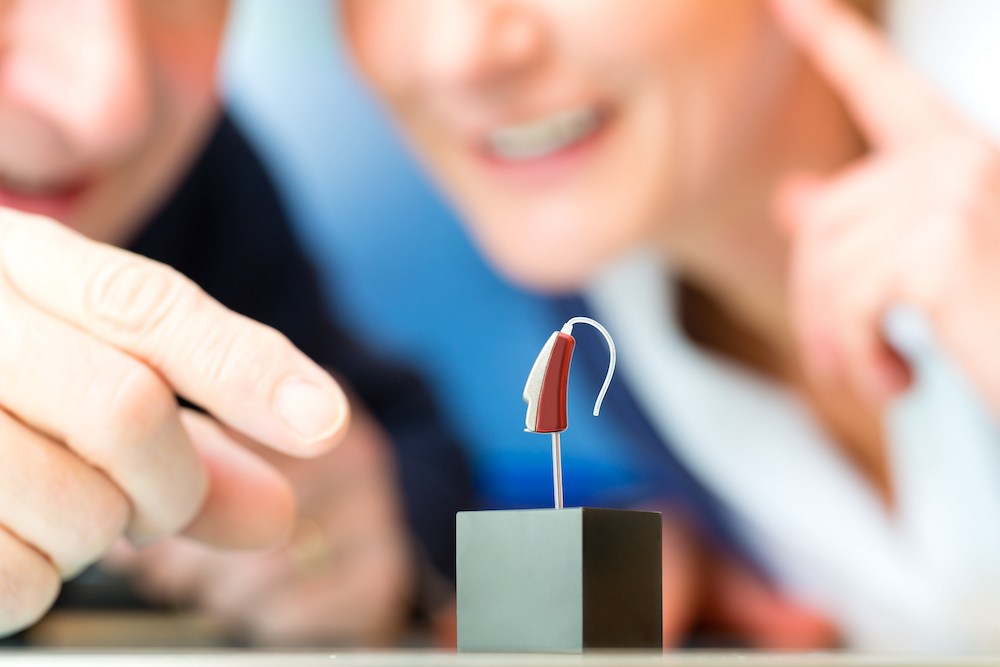
Hearing aids go everywhere you go, which means they deal with whatever the weather decides to do that day. A walk to the car in the rain or a humid afternoon running errands are all situations most of us barely think twice about.
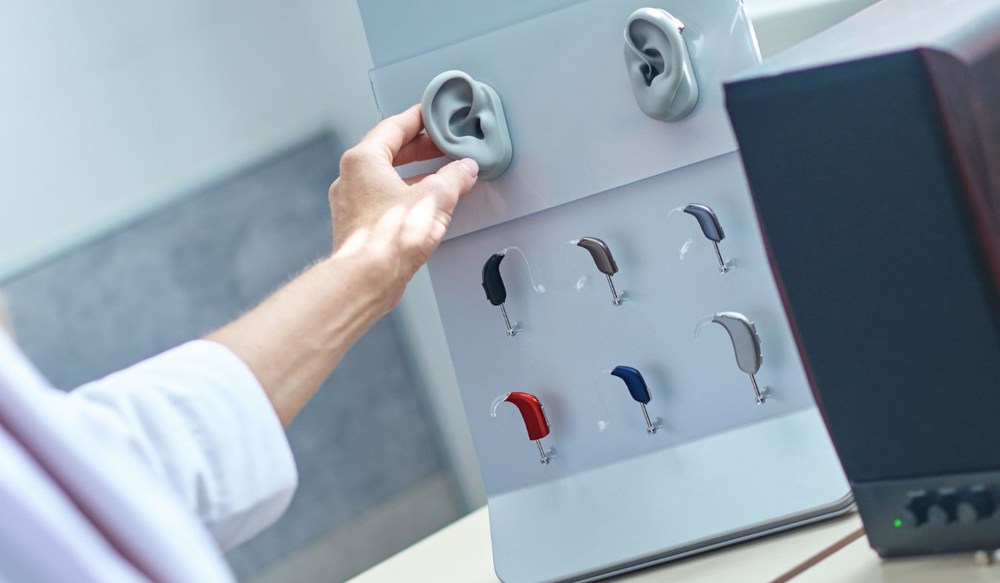
But for your hearing aids, that kind of everyday exposure adds up. Moisture from rain, sweat and humidity can work its way into components and affect how your devices feel and perform in ways that aren’t always obvious.

You might notice it as a slight change in sound quality, some crackling or cutting out or a device that just doesn’t seem to be working as reliably as it usually does.

A few consistent habits and the right storage routine can go a long way toward keeping your devices working the way they should, no matter what the weather looks like when you walk out the door.

How Moisture Can Impact Your Hearing Aids

Moisture is a constant, invisible challenge for anyone wearing hearing aids, largely because the ear canal is naturally humid and prone to perspiration.

Whether it’s the condensation from moving between a chilly air-conditioned room and the humid outdoors water manages to find its way into the components.

Once inside, it doesn’t just sit there; it can oxidize battery contacts, cause the microphones to lose their sensitivity, and eventually lead to static, intermittent cutting out or a complete loss of sound.

Why Humidity Poses Risks

Humidity is something hearing aids deal with every day, especially since they sit close to the skin and move through constantly changing environments. These devices contain small electronic components that can react to moisture from heat or weather.

Over the course of the day, that moisture can affect how sound comes through, sometimes causing audio to seem softer, less clear or slightly uneven from one setting to the next.

Because they are worn for so many hours at a time, even normal exposure to humidity can impact their performance. You may notice sound quality shifting a bit throughout the day as conditions around them change.

Common Ways Hearing Aids Are Exposed to Water

Hearing aids can come into contact with water in many everyday situations. Getting caught in the rain without cover is a frequent way moisture seeps in.

Even light showers or misty weather can cause trouble if your hearing aids are left uncovered. Sweat, especially during exercise or on hot days, is another source of moisture.

It can collect around your ears and enter the technology through small openings. Humid places like saunas or steamy bathrooms also increase the risk.

Sometimes, people forget to remove their hearing aids before showering or swimming. These situations can lead to direct water exposure and damage.

Warning Signs That Moisture Is Affecting Your Hearing Aids

When moisture starts building up inside, the effects usually show up gradually and can be easy to overlook at first.

Paying attention to these early warning signs can help you identify an issue before there is damage:

    • Intermittent cut-outs: The sound may fade in and out unexpectedly, especially when you move between different temperatures.
    • Static or crackling: You might hear a distorted electronic noise that wasn’t there before.
    • Muffled audio: Voices and environmental sounds may lack their usual sharpness, feeling as though they are coming through a thick wall.
    • Battery inconsistency: Shortened battery life that dies shortly after a full charge often points to moisture-induced shorts.
    • Physical condensation: Visible droplets or a “foggy” appearance inside the battery compartment or tubing is a clear indicator of high humidity levels.

How Water-Resistant Features Help Protect Modern Hearing Aids

Water-resistant features help protect the tiny electronic parts inside so the hearing aids can keep working consistently during regular wear.

Some hearing aids also come with an IP rating, which is a standard used to show how resistant your technology is to water and dust exposure. That does not mean they are made to be worn underwater, but it does give people more flexibility during normal activities and changing weather conditions.

Different Types of Covers and Sleeves for Extra Protection

For environments where high humidity or heavy perspiration are unavoidable, specialized covers and sleeves offer an external layer of protection.

These accessories act as a physical barrier, catching moisture before it can reach the microphone ports of your hearing aids:

    • Acoustically transparent sleeves: These are made from spandex or mesh materials that allow sound to pass through clearly while pushing sweat away from the hearing aid.
    • Latex protectors: Often used by athletes or those working in high-moisture jobs, these thin rubber-like covers provide a snug, water-resistant seal over the entire casing.
    • Sweat bands: Small, absorbent fabric wraps designed specifically for behind-the-ear models to soak up moisture behind the ear.
    • Clip-on guards: These often combine a protective sleeve with a lanyard, securing it to your clothing while simultaneously protecting it from rain or splashes.

Picking the Best Protective Gear for Wet Weather

Options include waterproof pouches, hats with wide brims and sweatbands made for hearing aid wearers. The best choice depends on your daily activities and the weather you expect.

Waterproof pouches are handy if you need to remove your hearing aids quickly in heavy rain. Special hats or hoods can help keep water away from your ears.

Sweatbands that fit around your head are useful for exercise and rainy days because they absorb moisture before it reaches your devices.

Helpful Tips for Wearing Hearing Aids When It Rains

When rain is likely, wearing a hooded jacket or using an umbrella helps protect your hearing aids from getting wet. If your hearing aids do get damp, gently dry them with a soft cloth as soon as possible.

After being outside in wet weather, use a drying box or dehumidifier designed for hearing aids overnight. This step helps remove any leftover moisture and keeps your devices working as they should.

These steps help clear out moisture safely and support longer performance.

Storage at Home to Lower Humidity Risks

Where you store your hearing aids at home can affect how much moisture they are exposed to between uses. Keeping them in their protective case in a cool, dry part of the house helps limit contact with humidity that tends to build up.

Even when you are not wearing them, moisture in the air can still settle around the small electronic parts inside, especially in spaces that stay warm or damp throughout the day.

These simple habits help protect from humidity.

How Dehumidifiers and Drying Boxes Offer Extra Safety

Relying solely on water-resistant coatings is risky, as they don’t address the moisture that inevitably settles into the internal crevices during a long day of wear.

Dehumidifiers and drying boxes act as a controlled environment, drawing out the deep-seated condensation that air-drying alone cannot reach. Using desiccant blocks or gentle heat, these tools pull vapor away from the internal microphones and receivers.

For the wearer, this routine ensures the delicate electronics are reset to a dry state every night, providing a level of consistency that’s hard to maintain otherwise.

When You Should Get Professional Help for Possible Moisture Damage

Sometimes, home care is not enough to fix moisture problems with your hearing aids.

If they still don’t work properly after drying them or if you notice repeated issues, it is time to seek help from a hearing specialist:

  • Your hearing aid will not turn on with fresh batteries.
  • Sound stays muffled, weak or distorted after cleaning and drying.
  • Corrosion or rust on battery contacts or other parts.
  • Moisture inside the case or under the battery door.
  • No improvement after trying the recommended home care steps.

Protecting Your Hearing from Rain and Humidity

A lot of the moisture that hearing aids deal with comes from everyday life.

Humid weather, time outdoors, running errands and the Florida heat can all affect how the devices feel and perform. Since hearing aids are worn daily, those conditions become part of what they handle every time you put them on.

That’s why regular care matters just as much as the technology itself. At Armand’s Hearing Center in Florida, we help patients keep their hearing aids working comfortably through wear and changing weather conditions.

You can reach our Sun City office at (813) 990-0335 or our Bradenton office at (941) 357-2054.