How Long Does it Take to Adjust to New Hearing Aids?
Getting new hearing aids brings up a lot of questions, and one of the
What You Should Know About the Risks of Over-The-Counter Hearing Aids CLICK HERE →

By: admin | March 25, 2026
Getting new hearing aids brings up a lot of questions, and one of the first ones most people have is some version of “how long until this feels normal?” It’s a fair thing to wonder.
You’re bringing something new into your daily life and asking your brain to start processing sound in a way it may not have in a while. Wanting to know what to expect isn’t impatience; it’s just human.
What most people find is that adjusting to new hearing aids is less about the devices and more about everything around them. Your routines shift a little. Sounds you’d stopped noticing start showing up again.
That process looks different for everyone, and there’s no single timeline that applies across the board. What we can tell you is that the adjustment period is normal, it’s expected and working through it with the right support makes a real difference.
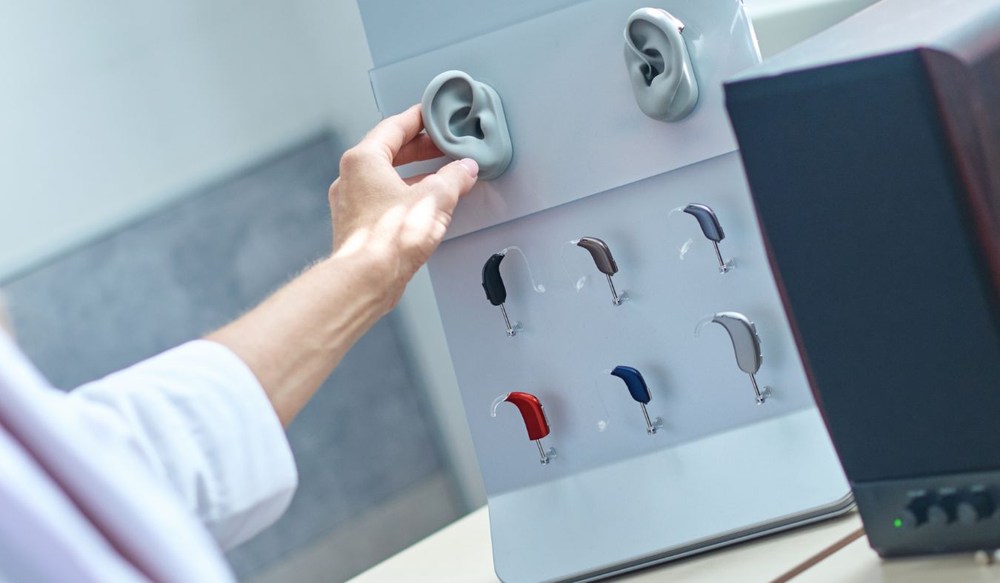
Getting hearing aids is not just about picking a device and putting it in your ears. The fitting process is where everything starts to come together.
During this stage, your hearing aids are programmed to match your specific hearing test results, which means they are set up to support the exact pitches and volumes you struggle with rather than simply making everything louder.
This personalized setup gives you a much smoother starting point and helps prevent that overwhelming feeling some people expect when they first wear hearing aids.
A thorough fitting also looks at how you actually live. The settings can be adjusted based on where you spend your time, whether that includes work meetings, family dinners, church services, outdoor activities or quiet evenings at home.
Fine-tuning may include adjusting how speech is prioritized, how background noise is managed and how quickly the device responds to changing environments. Small changes during these appointments can make a big difference in comfort and clarity.
Ongoing adjustments are part of the process as well. As your brain adapts to hearing sounds more clearly again, you may notice certain environments feel different than expected. Follow-up visits allow your hearing specialist to make precise changes based on your real-world experiences.
When you first start wearing hearing aids, it’s common for routine sounds to seem sharper, louder or simply unfamiliar. That’s because your brain has been missing certain sounds for a while and has adjusted to hearing less detail.
Once those sounds are reintroduced, your brain has to relearn how to process them. Things like footsteps, running water, paper rustling or even your own voice may stand out more than you expect.
This adjustment period is completely normal. Your hearing aids are not just making sound louder; they are restoring access to pitches and details your ears were not picking up clearly before.
With consistent use, your brain begins to sort through those sounds more naturally, deciding what matters and what can fade into the background.
When you begin hearing sounds more clearly, especially after a period of reduced hearing, it is not just your ears doing the work. Your brain plays an active part in making sense of what you hear. Sound travels from your ears to your brain, where it is organized, labeled and given meaning.
When certain sounds have been faint or missing for a while, your brain adapts to that reduced input. Once those sounds return, your brain needs time to recalibrate.
This process does not happen all at once. It builds gradually as your brain sorts through new information and relearns what deserves attention and what can fade into the background.
There are several different things happening behind the scenes, including:
Most people need a few weeks to a few months to feel fully comfortable with their new hearing aids. The timeline varies depending on how often you wear them and your personal needs.
During this period, you may notice improvements each week as your brain and ears adjust. Most specialists recommend wearing your hearing aids every day, starting with shorter periods and gradually increasing the time.
Luckily, there are several things you can do to help facilitate this change:
Adjusting to hearing aids is not the same for everyone. Some people feel comfortable within days, while others need several weeks before everything settles in. That difference does not mean something is wrong. It simply reflects how your ears, your brain and your listening history all work together.
Several factors influence how quickly you adapt. Understanding them can help you set realistic expectations and stay consistent while your brain recalibrates to clearer sound.
Here are some of the main influences:
Many people find that new hearing aids can feel a bit uncomfortable or awkward at first. Sounds that were hard to hear before, like footsteps or paper rustling, may now seem distracting.
Some people notice their own voice sounds strange or too loud, which can make talking feel odd at first. Research shows that about 60 percent of new hearing aid wearers need help with background noise during the early adjustment period.
Other common issues include itching around the ear, trouble putting the devices in correctly or feeling tired from listening. These difficulties usually improve with regular use as your ears and brain adjust.
Managing background noise is a frequent concern for those new to hearing aids. Regular sounds like chatter in restaurants or the hum of appliances may seem much louder than before.
Many hearing aids have features that help reduce unwanted noise, like directional microphones or noise reduction settings. You can also try sitting with your back to a wall in busy places to limit sound coming from behind you.
With regular use, your brain becomes better at focusing on important sounds and tuning out distractions. Most people find background noise becomes less noticeable.
It is normal to need time to adjust to hearing aids, but there is a difference between expected adjustment and something that needs attention. Mild changes in how things sound, increased awareness of background noise or noticing your own voice more are common in the early weeks.
Those experiences usually improve with consistent use. If discomfort, sharp sound quality, persistent feedback, physical irritation or sudden changes in performance continue beyond the initial adjustment period, it is worth reaching out.
You should also contact a hearing specialist if speech remains unclear despite regular wear, if one device seems weaker than the other or if the hearing aids intermittently cut out.
Programming refinements, earmold adjustments or simple maintenance may be all that is needed. Adjustment is a process, but you should not feel stuck or frustrated for long stretches of time. Ongoing communication ensures your devices are working the way they were intended and that your transition into clearer hearing continues moving in the right direction.
It helps to keep your expectations simple as you get used to your hearing aids. Progress usually happens in small steps, so noticing little improvements each week is a great sign that you are on the right track.
Start with simple goals, like wearing your hearing aids for a few hours each day or following conversations in quiet places. As you get used to new sounds, work toward longer periods of use or listening in noisier settings. Celebrating small steps builds confidence as you adjust.
Patience and regular practice are important for long-term comfort with hearing aids. Many people find their listening skills and comfort improve steadily when they set clear, achievable goals. With time, these efforts lead to better communication and an easier experience in daily life.
Getting used to your new devices is really about giving yourself the grace to rediscover the world at your own pace. We want to make sure those sounds start feeling normal and that your settings are comfortable as you settle in. Taking it one day at a time is the best way to let these new sounds become a natural part of your life again.
We are here if you have questions or just need a quick adjustment to make things feel right. You can reach us at Armand’s Hearing Center in Florida by calling our Sun City office at (813) 990-0335 or our Bradenton office at (941) 357-2054.
Whether it is a technical question or a simple check-in, we want to make sure your hearing aids work well for your specific life and needs.
Tags: faqs, hearing aid repair, hearing aid styles
Getting new hearing aids brings up a lot of questions, and one of the
By: admin | March 25, 2026
Admitting you have hearing loss feels a lot like admitting you’re
By: admin | October 20, 2025

Beach trips can make hearing aid wearers nervous, and for good reason.
By: admin | July 29, 2025